






Home care blog for families in Douglasville and Metro Atlanta

Welcome to the Flowers Home Care blog. Here you will find senior care tips, plain guides to pediatric care and GAPP, and encouragement for family caregivers. Each article is written for families in Douglasville, Atlanta and across our 20 Georgia counties.

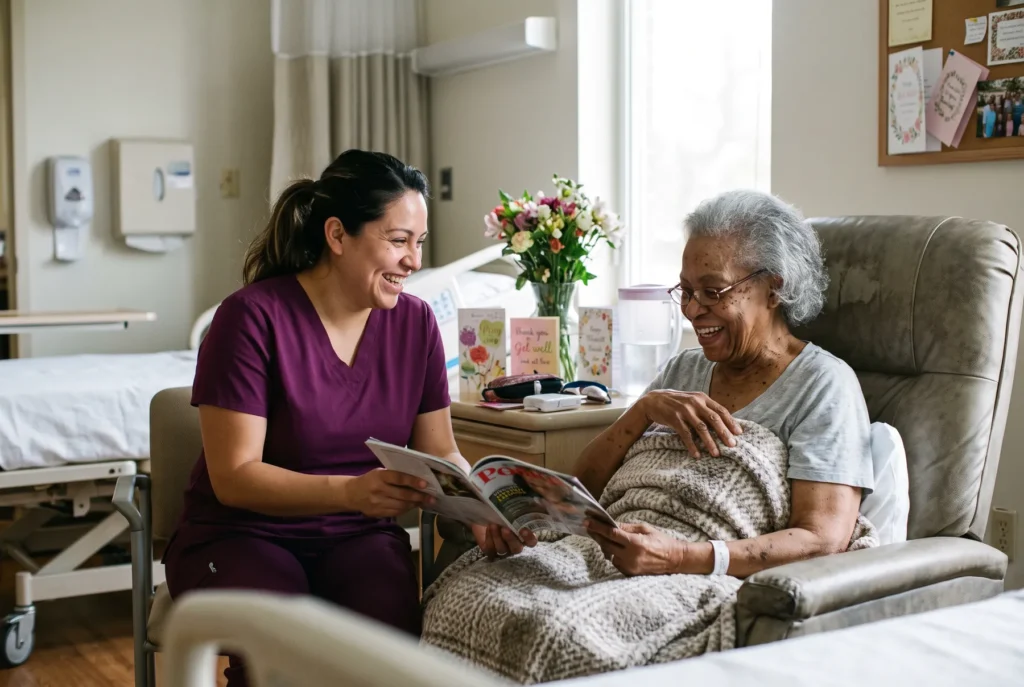
A caregiver and an older woman in a recliner laughing together over a magazine

What families will find on our home care blog

Caring for someone you love raises new questions every week. Our articles answer them in plain words, from the first signs that an older adult needs help to the steps of a GAPP application.

You will read about safety at home, daily routines, paying for care in Georgia and looking after yourself as a caregiver. Every article shares one aim: comfort, dignity and independence at home.

Already know what you need? Go straight to our home care services or to pediatric home care through GAPP. For a question we have not covered yet, call 770-341-1434 and ask us.

Browse by topic

Choose a topic to see the articles that fit your family.

Showing all 31 articles

All articles from the Flowers Home Care blog

  • An older man laughing and holding a sunflower, his caregiver smiling beside him with a hand on his shoulder

    National Family Caregivers Month: Supporting Families Caring for Veterans at Home

    November honors the spouses, children and relatives who care for a Veteran at home. Read how non-medical home care gives families time to rest. Eligible Veterans may also receive services through the VA Community Care Network, with VA authorization.

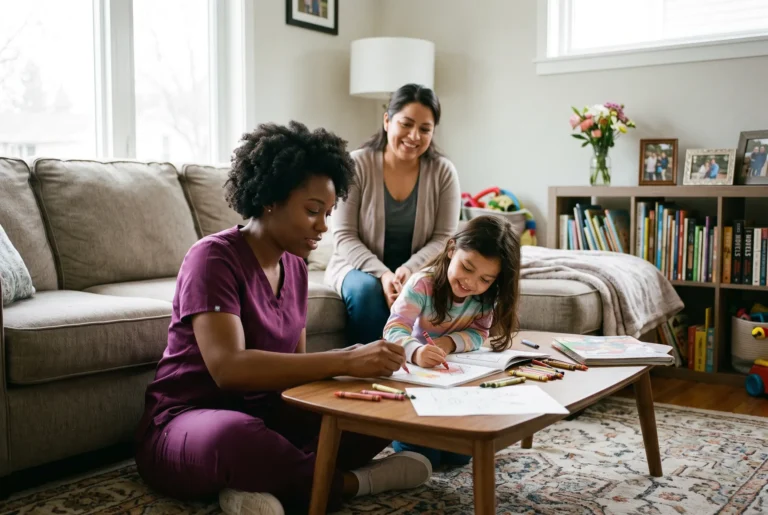
  • A pediatric nurse drawing with a young girl at a low table while her mother watches from the sofa

    12 Free and Low-Cost Resources for Families of Children With Autism or Disabilities

    A list of twelve programs worth knowing, from early intervention and school IEP support to SSI, ABLE accounts, respite locators and 211. Each entry explains what the resource offers and who it helps.

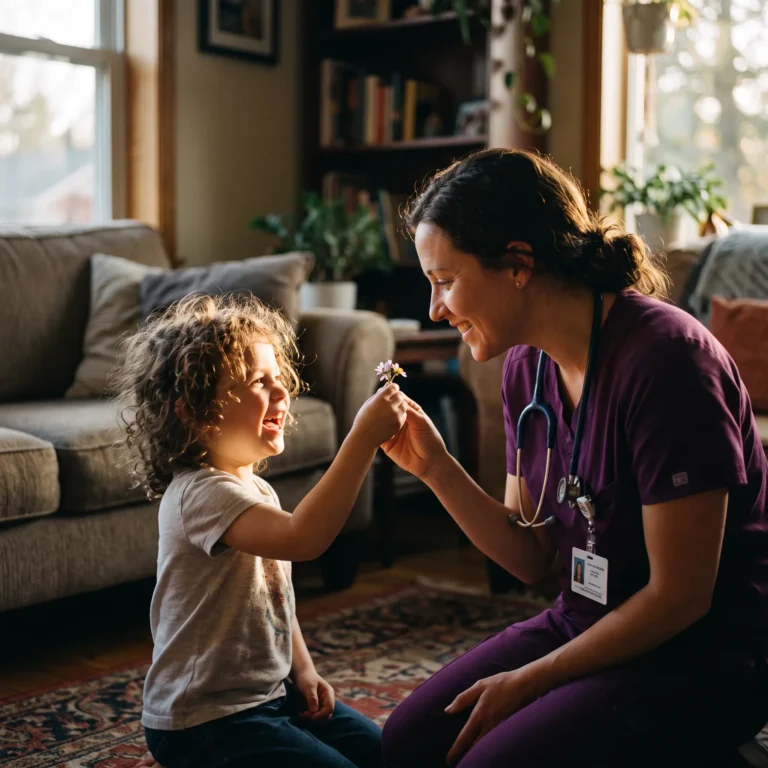
  • A small child holding a flower up to a kneeling pediatric nurse in a family living room

    GAPP and Children With Seizure Disorders: What Georgia Families Should Know

    Find out when a child with epilepsy or another seizure disorder may be eligible for the Georgia Pediatric Program. The article also covers care at home and the qualities to look for in a caregiver.

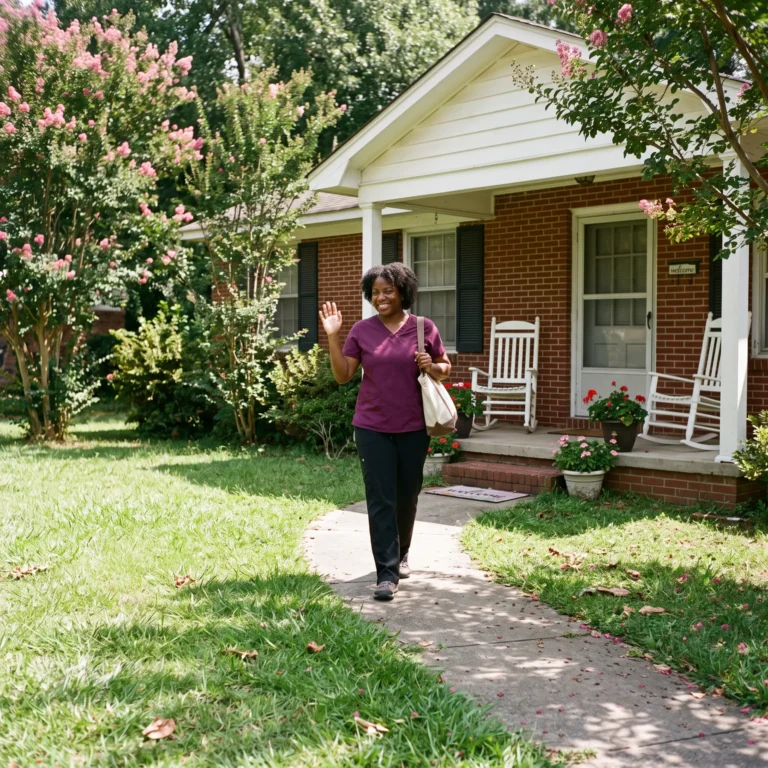
  • A caregiver waving as she walks up the path of a brick home with a white porch

    Need Help Caring for Someone You Love? Flowers Home Care Is Accepting New Clients

    Flowers Home Care is welcoming new clients: children, adults, older adults and Veterans. See the questions that tell you it is time to ask for help, and how support continues after a hospital stay.

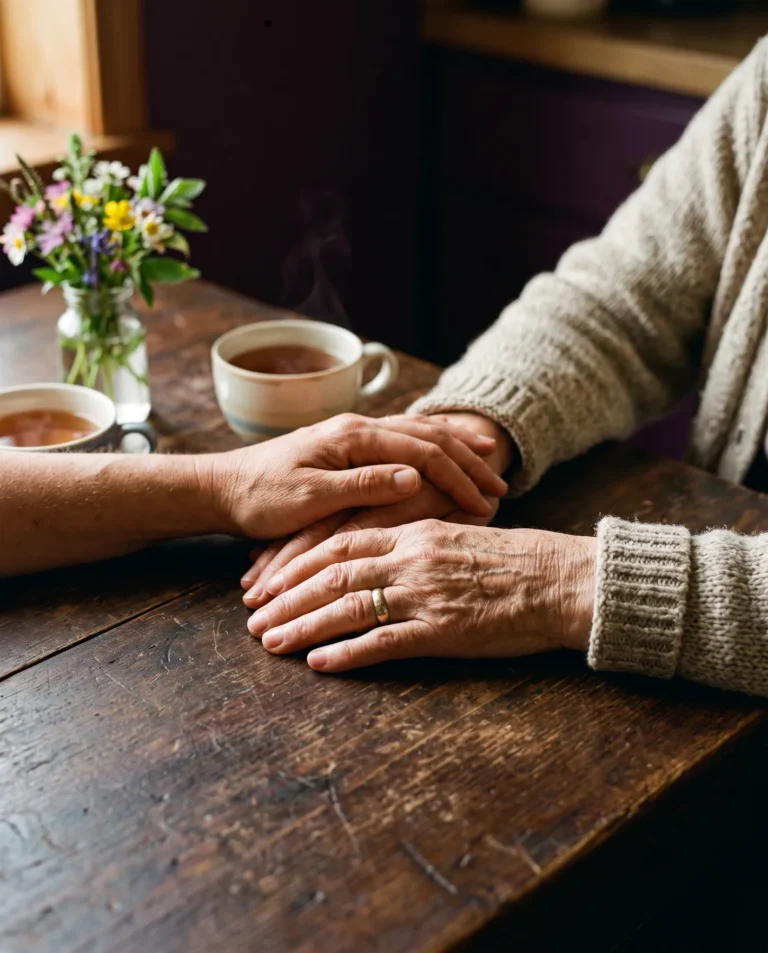
  • A daughter's hands resting over her mother's hands on a kitchen table, with tea and a vase of flowers

    Aging at Home: How to Pay for Home Care in Georgia

    Many parents want to stay in the home they love, and families wonder how to pay for the help. This guide covers private pay, long-term care insurance, Veterans benefits and Medicaid programs, with five steps for planning care.

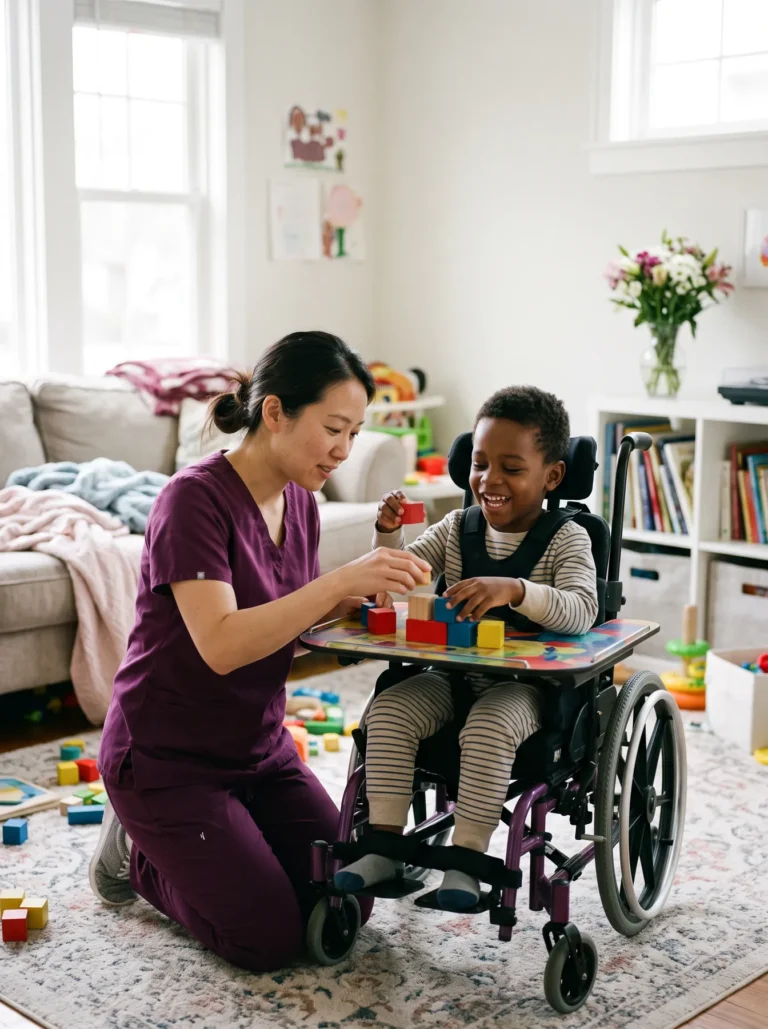
  • A pediatric nurse stacking blocks with a smiling boy in a supportive wheelchair

    Caring for a Medically Fragile Child Is a Team Effort

    Parents, doctors, therapists and nurses each play a part in a child's care at home. Read how clear communication and a consistent routine help the whole team, and why asking for help makes your support system stronger.

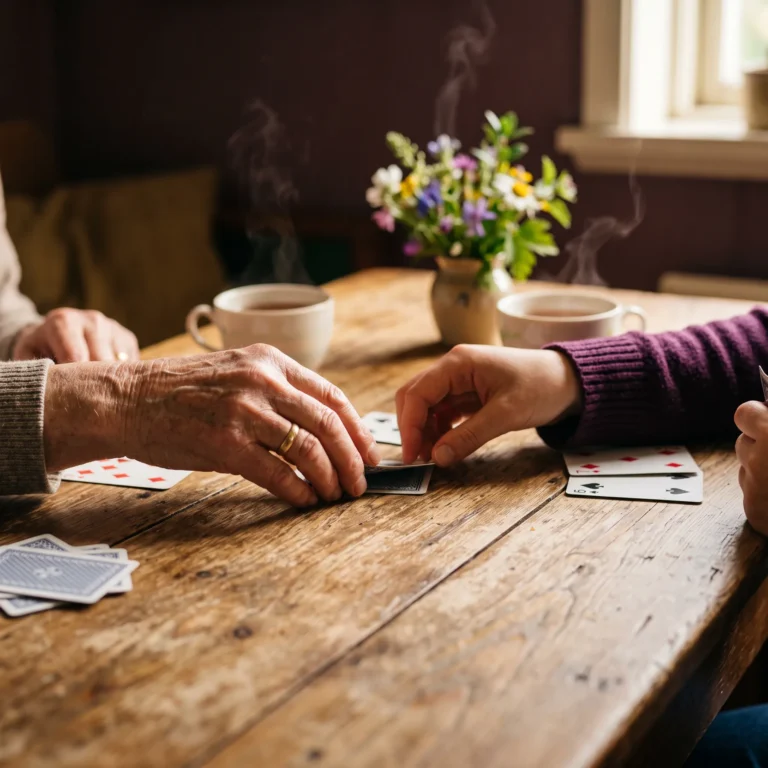
  • Two pairs of hands over a card game on a wooden table, with tea and fresh flowers

    The Difference Between Companionship and Personal Care

    Companion care centers on conversation, meals and everyday support. Personal care adds hands-on help with bathing, dressing and moving safely. A short list of questions helps you decide which one your loved one needs, or whether both fit.

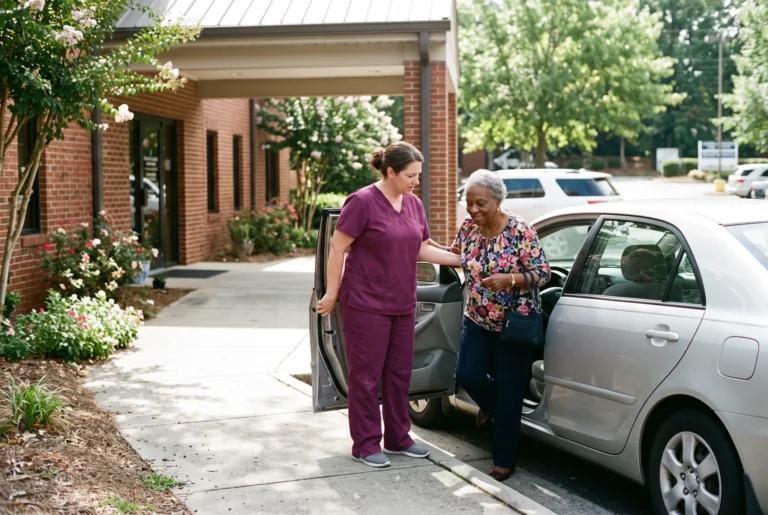
  • A caregiver helping an older woman out of a car in front of a medical office

    From Diagnosis to Recovery, We're Here for You.

    A new cancer diagnosis brings appointments, treatment days and tired evenings. Read how rides to treatment, companionship and help with daily tasks at home make each week easier for patients and their families.

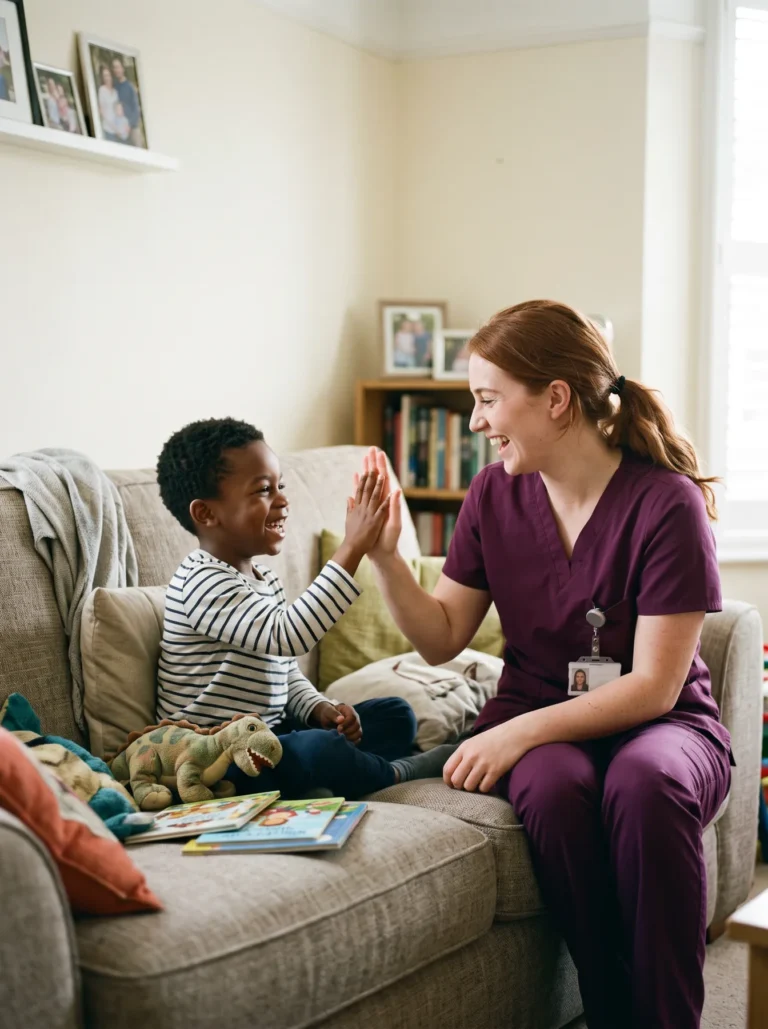
  • A young boy giving his pediatric nurse a high five on the family sofa

    School Is Back. Your Child's Care Shouldn't Pause.

    For a medically fragile child, the school day is one part of the day. See how GAPP services support mornings before school, afternoons after class, weekends and school breaks.

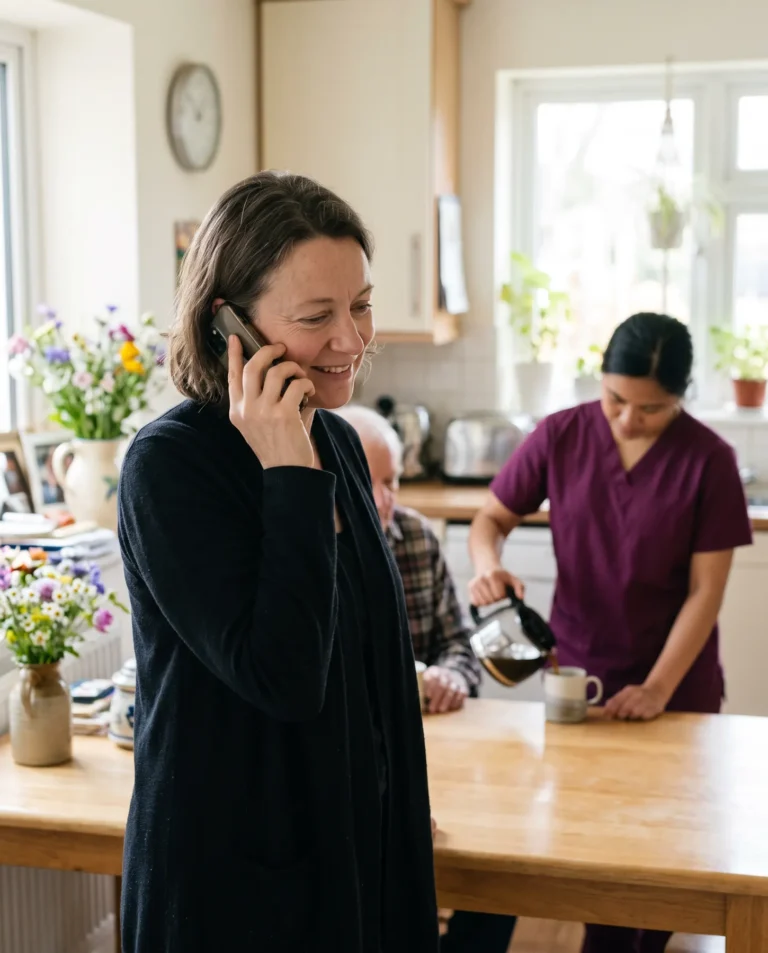
  • A daughter smiling on the phone in a kitchen while a caregiver pours coffee for her father behind her

    Supporting Loved Ones from Afar

    Living far from an aging parent brings daily worry. Find ways to stay involved from a distance, such as video calls and a shared care calendar. Regular respite care visits add reassurance between your own trips.

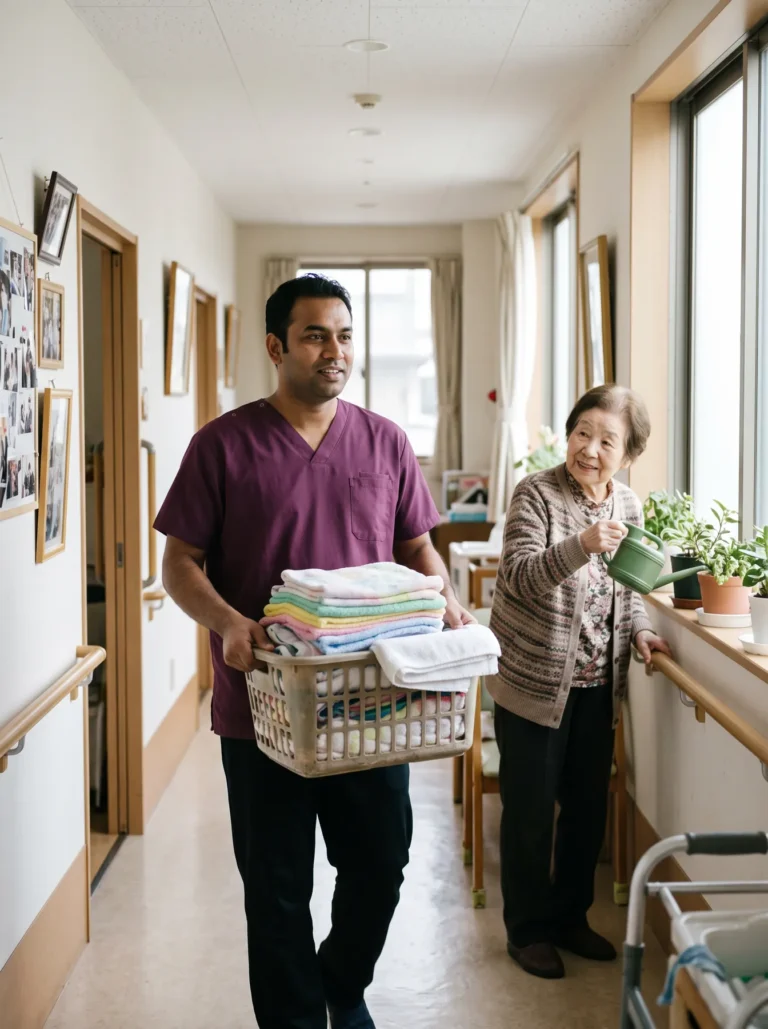
  • A caregiver carrying a basket of folded towels down a hallway while an older woman waters her flowers

    4 Quiet Signs It May Be Time to Consider Home Care for Your Loved One

    The first signs are easy to miss: the same clothes for days, an emptier refrigerator, a less tidy home and fewer outings. Read what each change often means and how a little support helps your parent stay independent.

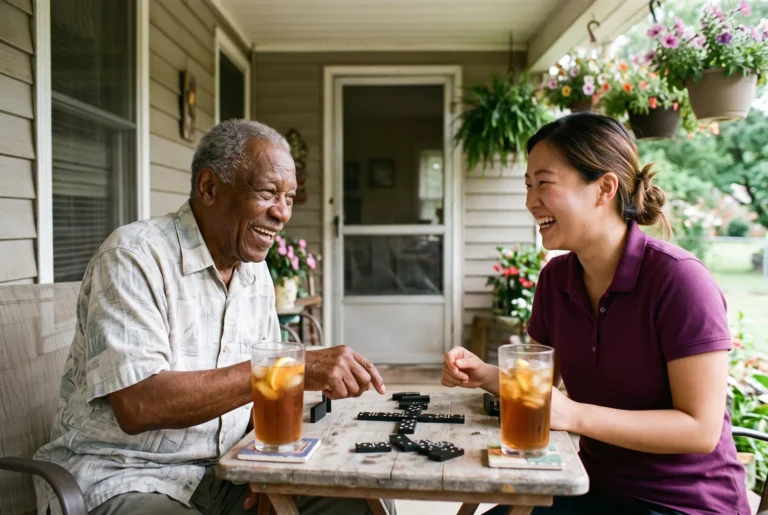
  • A caregiver and an older man laughing over dominoes and sweet tea on a front porch

    Celebrating Independence Day with Family and Compassionate Home Care

    A Fourth of July note on what independence means for older adults. With the right support at home, your loved one enjoys the shared meal and the fireworks safely and comfortably.

  • A pediatric nurse drawing with a young girl at a low table while her mother watches from the sofa

    What Happens When School Is Out? How Flowers Home Care Supports Children with Special Needs Through GAPP Services

    School breaks remove the structure many children with special needs rely on. See how our GAPP team keeps daily routines, personal care and engaging activities going through summer and the holidays.

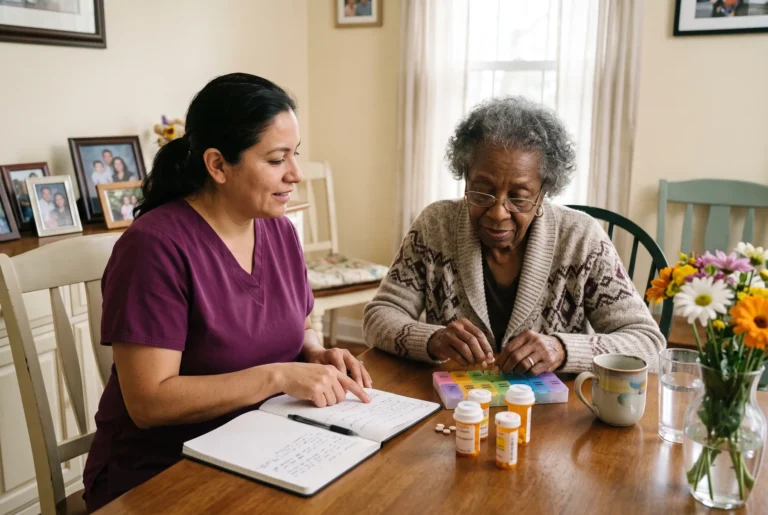
  • A nurse and an older woman sorting a weekly pill organizer at the dining table

    Making Home the Safest Place to Heal

    After surgery or illness, home is often the most comfortable place to recover. This article lists common risks during recovery, such as falls and missed medications, and explains how personal care and good meals support healing.

  • A small child holding a flower up to a kneeling pediatric nurse in a family living room

    How Flowers Home Care Helps Families Through the GAPP Program

    Parents of children with special healthcare needs carry a full load. Read how personalized care plans and dependable caregivers through the Georgia Pediatric Program bring comfort and routine to your home.

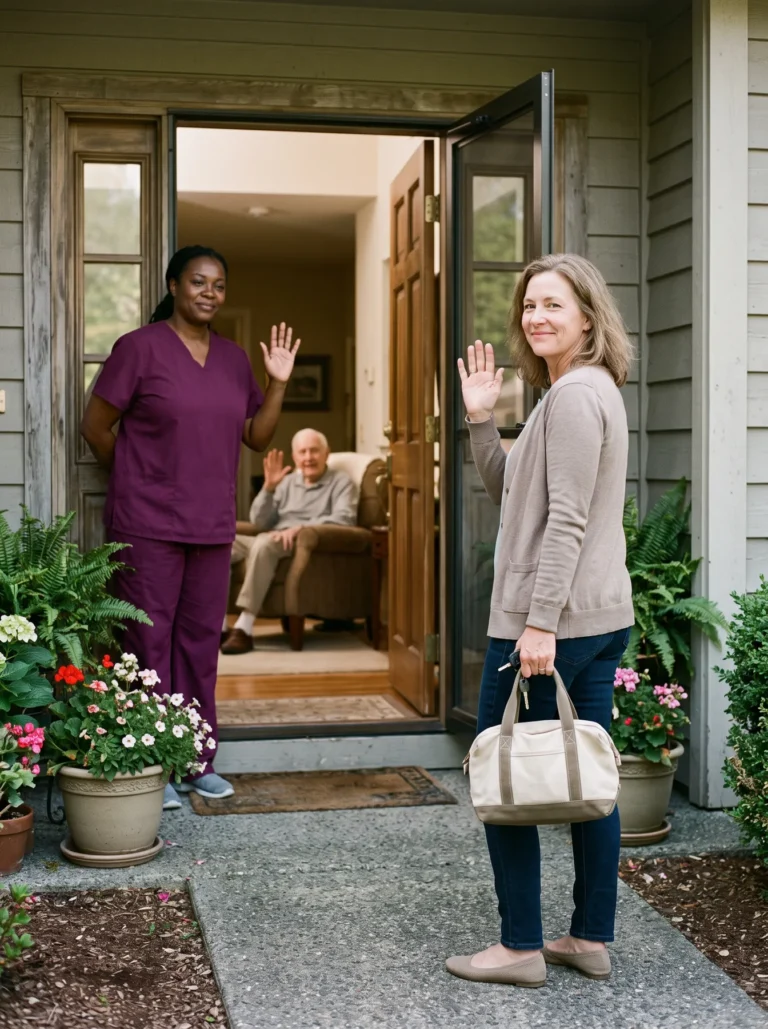
  • A daughter with a weekend bag waving goodbye at the front door as the caregiver arrives, her father in his armchair inside

    24/7 Respite Care Services: Take a Break While Your Loved One Stays Safe at Home

    Rest is part of giving good care. Learn what respite care is and when it helps. With 24/7 support at home, you travel, recover or recharge while your loved one stays safe.

  • A care coordinator in a plum blazer smiling on the telephone as she writes a note

    Flowers Home Care GAPP Nurse Scheduling Explained | Reliable Home Care in Georgia

    Scheduling follows a plan. See how we match nurses and aides to each client using the care plan, skills and availability. The article also explains why seeing the same faces builds trust.

  • A care coordinator in a plum blazer smiling on a phone call at her desk in a bright office

    Flowers Home Care Expands to Atlanta, Georgia

    Our second office is open at 3715 Northside Pkwy NW in Atlanta. Read what the new location means for families in Metro Atlanta and which in-home care services, including pediatric care through GAPP, are available.

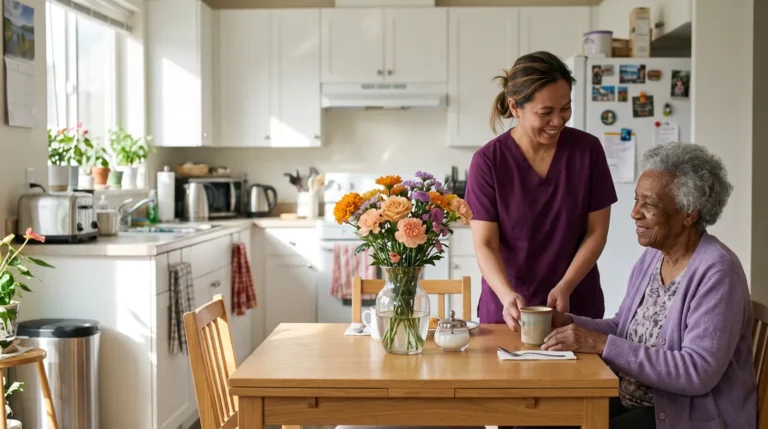
  • A caregiver setting down tea for an older woman at a sunny kitchen table with fresh flowers

    Compassionate Senior Care at Home: What Families Need to Know

    An introduction to in-home care for aging parents: what it includes, why families choose it and the signs that extra support would help. It also explains aging in place and how a personal care plan works.

  • A young boy giving his pediatric nurse a high five on the family sofa

    What Pediatric In-Home Care Looks Like Day to Day

    Follow a typical day of pediatric care at home, from breakfast and morning medications to homework, play and the bedtime routine. You will also see how caregivers support learning and give parents peace of mind.

  • Five caregivers in plum scrubs talking and laughing outside an office entrance

    Flowers Home Care at the Spring Festival in Douglasville, GA

    An invitation to meet our team at the Spring Festival hosted by the Douglasville Police Department. The family day includes egg hunts, Touch-A-Truck and local vendors. Read why community events matter to us.

  • A pediatric nurse stacking blocks with a smiling boy in a supportive wheelchair

    March Is Cerebral Palsy Awareness Month

    March is National Cerebral Palsy Awareness Month. Read how our nursing team supports children with cerebral palsy at home through the Georgia Pediatric Program. Pediatric offices will also find how to send a referral.

  • Four caregivers in plum scrubs laughing together, one holding a bunch of flowers

    Who We Hire at Flowers Home Care: And What Their Roles Mean for Your Family

    Meet the roles on a home care team: personal care aides, certified nursing assistants, nurses and respite providers. The article explains what each one does in your home and the standards we look for when hiring.

  • A pediatric nurse drawing with a young girl at a low table while her mother watches from the sofa

    What Is GAPP and How Can Flowers Home Care Support Your Child?

    A plain introduction to the Georgia Pediatric Program and its two service tracks, skilled nursing and personal care. See how we help with eligibility checks, documents and matching your child with a trained caregiver or nurse.

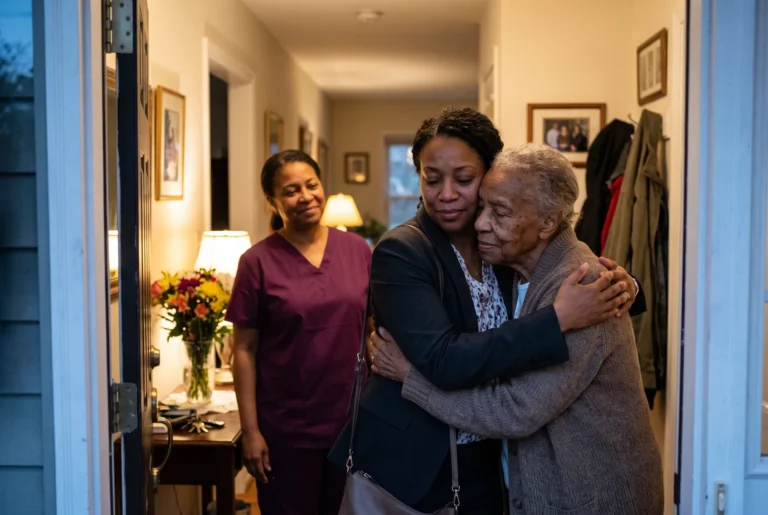
  • A daughter hugging her mother at the front door at dusk while the caregiver smiles behind them

    Visiting Loved Ones for the Holidays & Realizing They Need Care

    Holiday visits often reveal changes a phone call hides, such as unopened mail, weight loss or unsteady steps. Read which signs to look for and the first steps to take once you are back home.

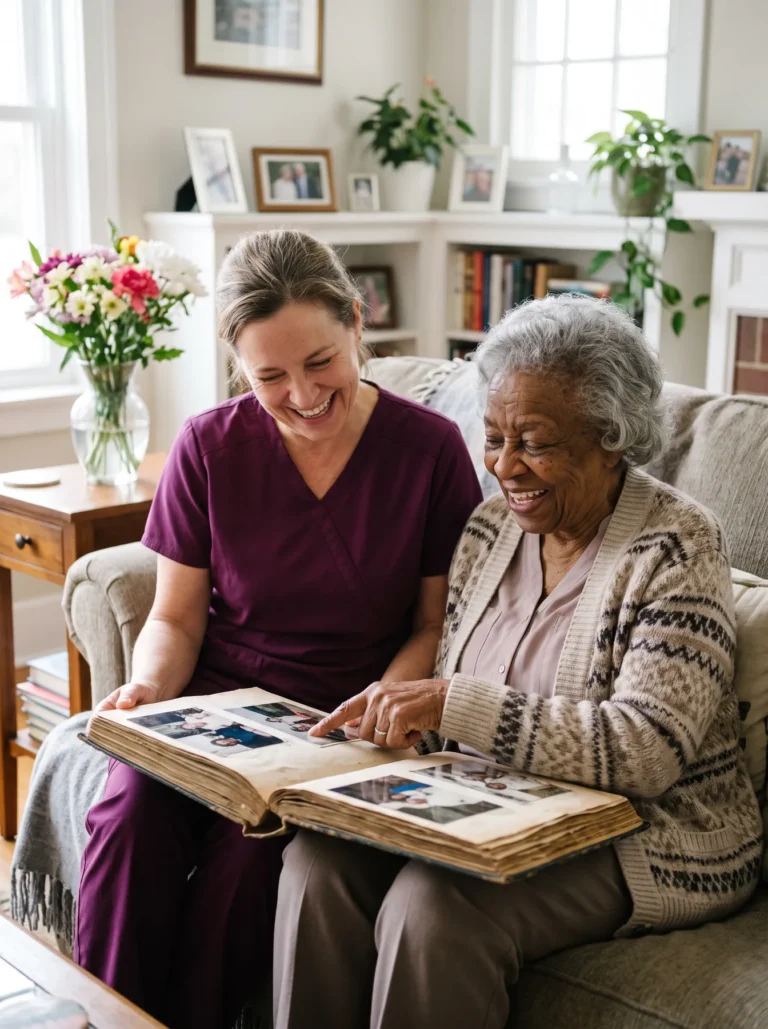
  • A caregiver and an older woman laughing over a family photo album on the sofa

    Preparing for the Holidays When You Have Aging Loved Ones

    Practical holiday planning for families with aging relatives: refill medications early, clear walkways for guests and choose activities everyone enjoys. A reminder, too, that asking for a few hours of help is a good plan.

  • A small child holding a flower up to a kneeling pediatric nurse in a family living room

    Supporting Families with Epilepsy Through Our Georgia Pediatric Program

    Written for Epilepsy Awareness Month, this article explains how epilepsy affects children and families. It shows how personalized care plans, seizure safety education and teamwork with doctors and schools support a child at home.

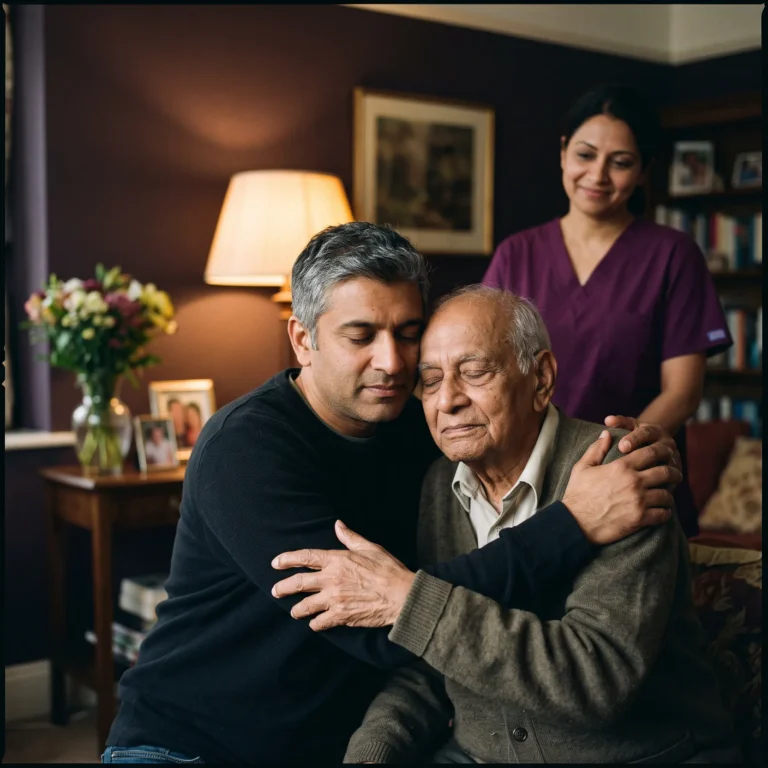
  • A son embracing his father in a lamplit living room, the caregiver smiling behind them

    How Home Care Benefits Family Dynamics

    When a professional shares the work of caregiving, families get time back for each other. This short article explains how home care eases stress, protects independence and keeps everyone informed.

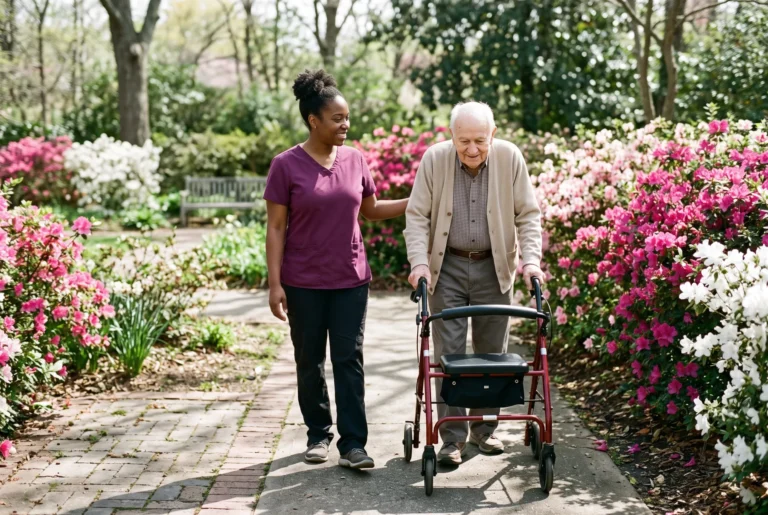
  • A caregiver walking beside an older man with a rollator on a garden path lined with azaleas

    Morning Walks: Improving Senior's Mobility and Balance

    Regular morning walks help strengthen muscles and joints and support balance. This article shares safety tips, from proper footwear to planned routes, and ways to build a routine that lasts.

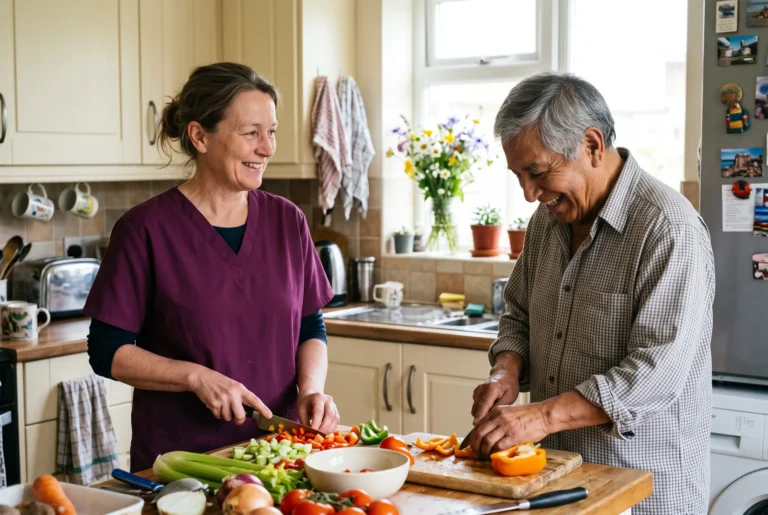
  • A caregiver and an older man chopping vegetables for lunch together in a bright kitchen

    The Link Between Sodium and Senior's Heart Health

    Too much sodium is hard on an aging heart. Read where salt hides in everyday foods, simple ways to cut back, and how careful meal planning supports heart health.

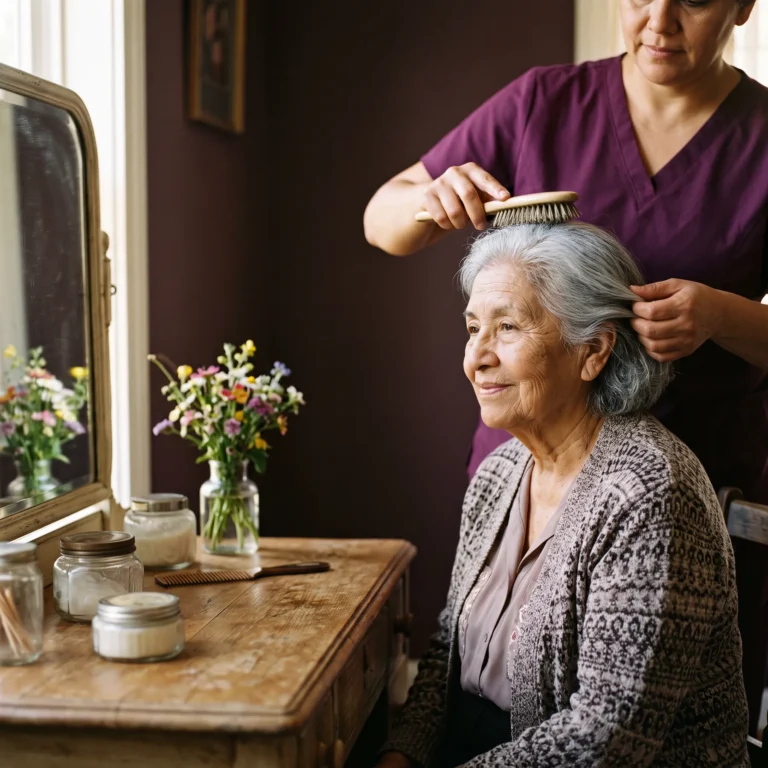
  • A caregiver brushing an older woman's silver hair at a dressing table with fresh flowers

    Regular Hygiene Checks: Elderly Toileting Assistance

    Regular hygiene checks protect delicate skin and help prevent infection. This article covers daily skin checks, gentle products and clean, dry bedding, and the part a trained caregiver plays in comfort and dignity.

Back to topics

Talk with our home care team in Douglasville or Atlanta

An article is a good start, and a conversation goes further. Tell us what is happening at home and we will answer your questions and show you the next step. Call 770-341-1434 or schedule your free care assessment.

Call 770-341-1434
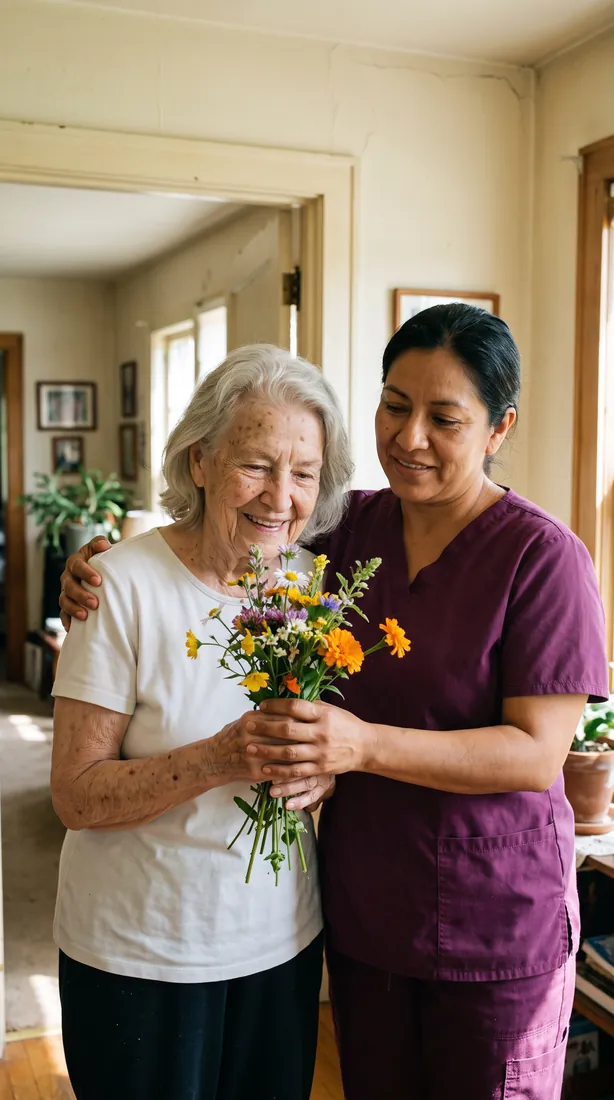
An older woman holding a small bouquet, her caregiver's arm around her shoulders

Home care basics

More home care questions, answered

What is home care?

Home care is help that comes to you. A trained caregiver or nurse visits your home to assist with daily living, health needs and companionship, so you or your loved one stay safe and independent in familiar surroundings.

What is non-medical home care?

Non-medical home care covers everyday support: bathing and dressing, meals, light housekeeping, companionship, errands and rides. Medical tasks such as wound care or medication management are provided by our skilled nursing team of RNs and LPNs.

Why choose Flowers Home Care?

Families choose us for personalized care plans, compassionate and trained caregivers, flexible scheduling, and our promise to give people their flowers now. We serve 20 Georgia counties from offices in Douglasville and Atlanta.

Who pays for home care?

We accept Private Pay, Long Term Care Insurance, Veterans Benefits, Optum and GAPP (Medicaid). Call 770-341-1434 and we will verify your payment method with you.

Does Medicare pay for home care?

Original Medicare generally pays for part-time skilled home health care ordered by a doctor. Help with daily living on its own is usually paid another way. Call us and we will go through your options together.

How are your caregivers screened?

Every caregiver has a criminal history check before joining our team. Our aides hold a Certified Nurse Aide certification and have at least one year of full-time experience in personal care or direct client care.

How often will a caregiver come?

As often as you need. We offer hourly, daily and 24/7 care, and your schedule is written into your personalized care plan.

Reach out to us

Schedule your free care assessment

Tell us a little about who needs care. We will call you back to arrange your free assessment and create a personalized care plan.

A care coordinator in a plum blazer smiling on the telephone